
Power & Wiring
Powering radios safely, at home, in the vehicle and in the field: supplies, batteries, wire size and fusing.
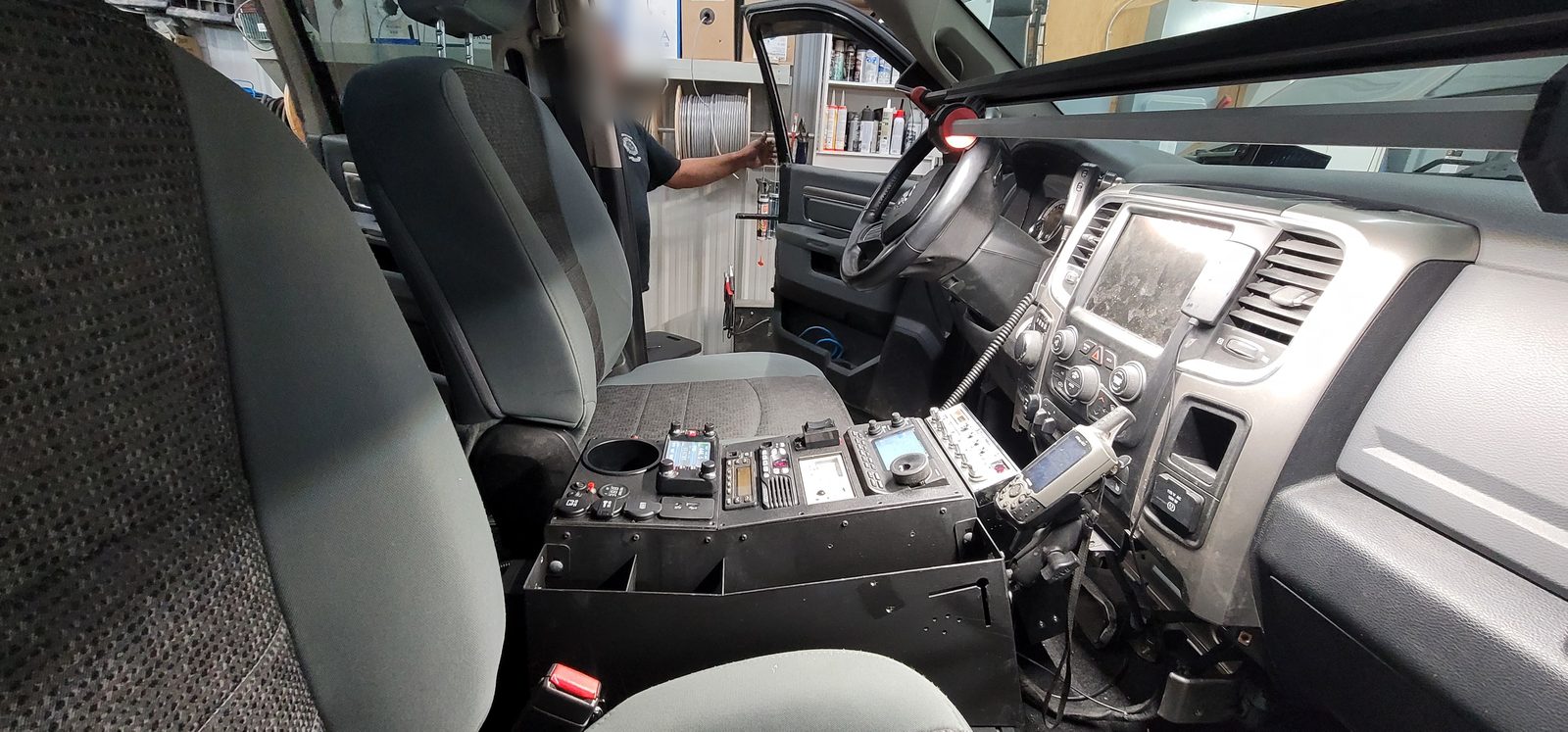
Most radios run on 13.8 volts
Almost all mobile and HF radios run on 12-volt-class DC, nominally 13.8 V. A 100-watt HF radio can draw over 20 amps on transmit, so the power system matters as much as the radio.
At home: power supplies
- Pick a supply rated comfortably above your radio’s peak draw. 30 amps covers a typical 100-watt HF station.
- Switching supplies are light and efficient. Some can cause hash on HF; if you hear it, try a different supply or a linear one.
- A battery floating on a charger gives you backup power when the grid fails.
Batteries for the field and backup
- Lithium iron phosphate (LiFePO4): light, long-lived, holds voltage well. The best all-round choice today.
- AGM lead-acid: cheaper and tough, but heavy, and loses voltage as it drains.
- To size a battery, estimate amp-hours: listening current × hours, plus transmit current × transmit hours. Then add a healthy margin.
Wire size and fusing
- Use wire heavy enough for the current and the length. Thin wire drops voltage, and radios misbehave on low voltage.
- Fuse the positive lead, close to the source. In a vehicle, fuse both leads near the battery.
- The fuse protects the wire. Size it for the wire and the radio’s maximum draw, not bigger.
Voltage drop: why wire size matters
A 100 W HF radio draws about 20 A on transmit. Thin or long power leads lose voltage under that load, and when the radio sees much below about 12.5 V, audio can distort and output power drops. Aim for less than 0.5 V of drop. These figures are for copper wire at 20 A, counting both the positive and negative leads:
| Distance, battery or supply to radio | 12 AWG | 10 AWG | 8 AWG | 6 AWG |
|---|---|---|---|---|
| 1.5 m (5 ft) | 0.31 V | 0.20 V | 0.12 V | 0.08 V |
| 3 m (10 ft) | 0.63 V | 0.39 V | 0.25 V | 0.16 V |
| 6 m (20 ft), typical truck install | 1.25 V | 0.79 V | 0.49 V | 0.31 V |
- For a 100 W radio, 10 AWG is fine for short runs at home. A truck or RV run from the battery usually needs 8 AWG, or 6 AWG for longer runs.
- Run both leads to the battery, and fuse both at the battery end. Don’t rely on the vehicle chassis for the negative.
- VHF/UHF mobiles drawing 10 to 12 A can use one size smaller.
- Check it: measure the voltage at the radio’s power plug while transmitting. If it falls more than half a volt below the battery, the wiring is too thin or a connection is poor.
Connectors
Anderson Powerpole connectors are the standard in amateur radio and emergency communications. They’re genderless, colour-coded and hard to plug in backwards. Standardise everything on them and any radio connects to any supply.
Safety
- A battery can deliver enormous current into a short. Fuse it, and never leave bare terminals exposed.
- Charge lithium batteries with a charger made for them.
- Keep your DC system separate from any 120 V AC wiring unless it’s done to code.
Last updated October 2026.