
Portable Operations
Taking your station to a park, a hilltop or the campground, from Parks on the Air to emergency practice in the field.
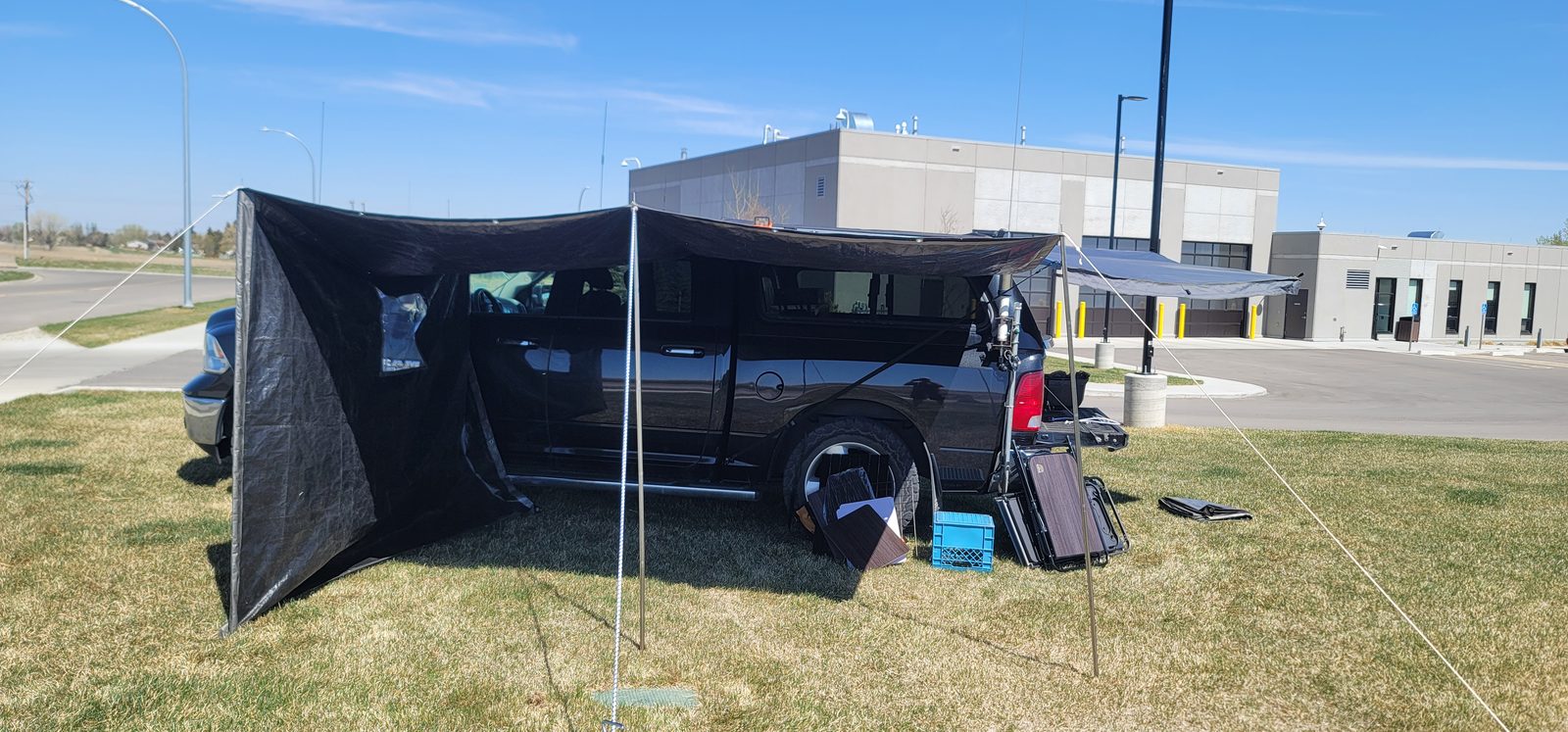
Why go portable
- Quieter bands: away from town, the electrical noise from chargers, power lines and LED lights disappears. Signals you can’t hear at home are suddenly easy.
- Programs to chase: Parks on the Air (POTA) and Summits on the Air (SOTA) give you a reason to go and a crowd of stations waiting to work you.
- Practice for emergencies: if you can set up a station from a bag in a park, you can do it when the power is out.
- It’s fun: radio, fresh air and a thermos of coffee is hard to beat.
Parks on the Air
POTA is the easiest way into portable operating. You set up in a park listed on the POTA website, which includes many provincial and national parks in Alberta and across Canada, and make contacts. Activators need 10 contacts for an activation to count, and hunters at home are always looking for new parks. Post a spot on the POTA site and the contacts come to you.
Building a portable kit
- Radio: a small HF rig, from a QRP radio up to 100 watts if you have the power to feed it.
- Antenna: an end-fed half-wave, a linked dipole or a vertical. See Portable Antennas.
- Power: a lithium iron phosphate (LiFePO4) battery is light and holds its voltage. Fuse it at the battery and use Anderson Powerpole connectors.
- Logging: paper and pencil never crash. Phone and tablet logging apps can export straight to POTA.
- Comfort: a folding chair, a small table, a hat, water and something warm. Alberta weather changes fast.
Setting up in the field
- Check the park’s rules. Don’t tie to trees where it isn’t allowed, and leave no trace.
- Keep guy lines and coax out of walking paths, or mark them clearly.
- Watch the sky. Get the antenna down early if a storm is building.
- Check PropMap before you leave to choose your bands.
From the truck or RV
A vehicle makes portable operating easy: a mast on the hitch, the radio on the seat and the truck’s battery system for power. Just don’t run the starting battery flat, and keep the engine off while you operate if the alternator is noisy.
Out in the field
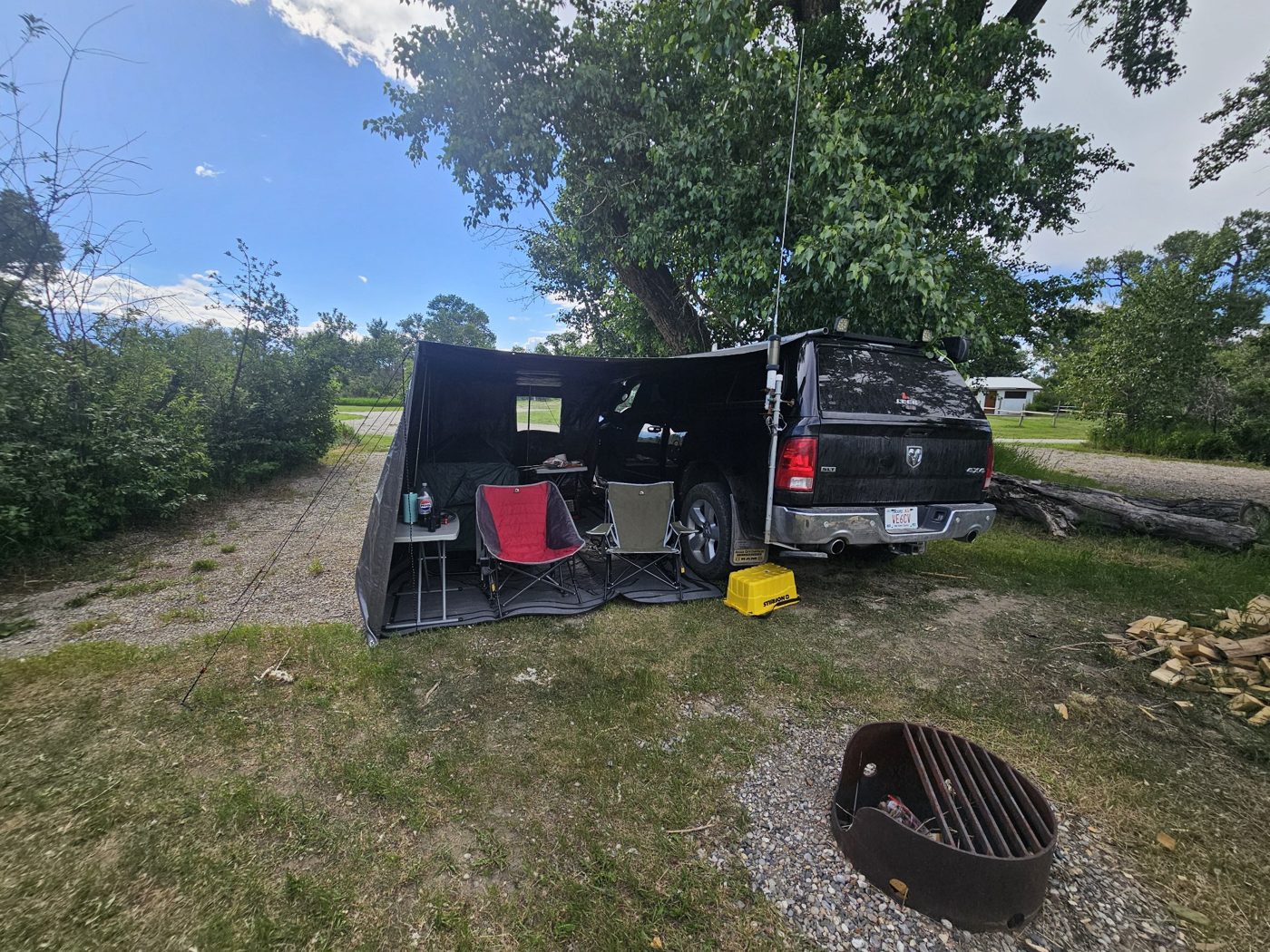
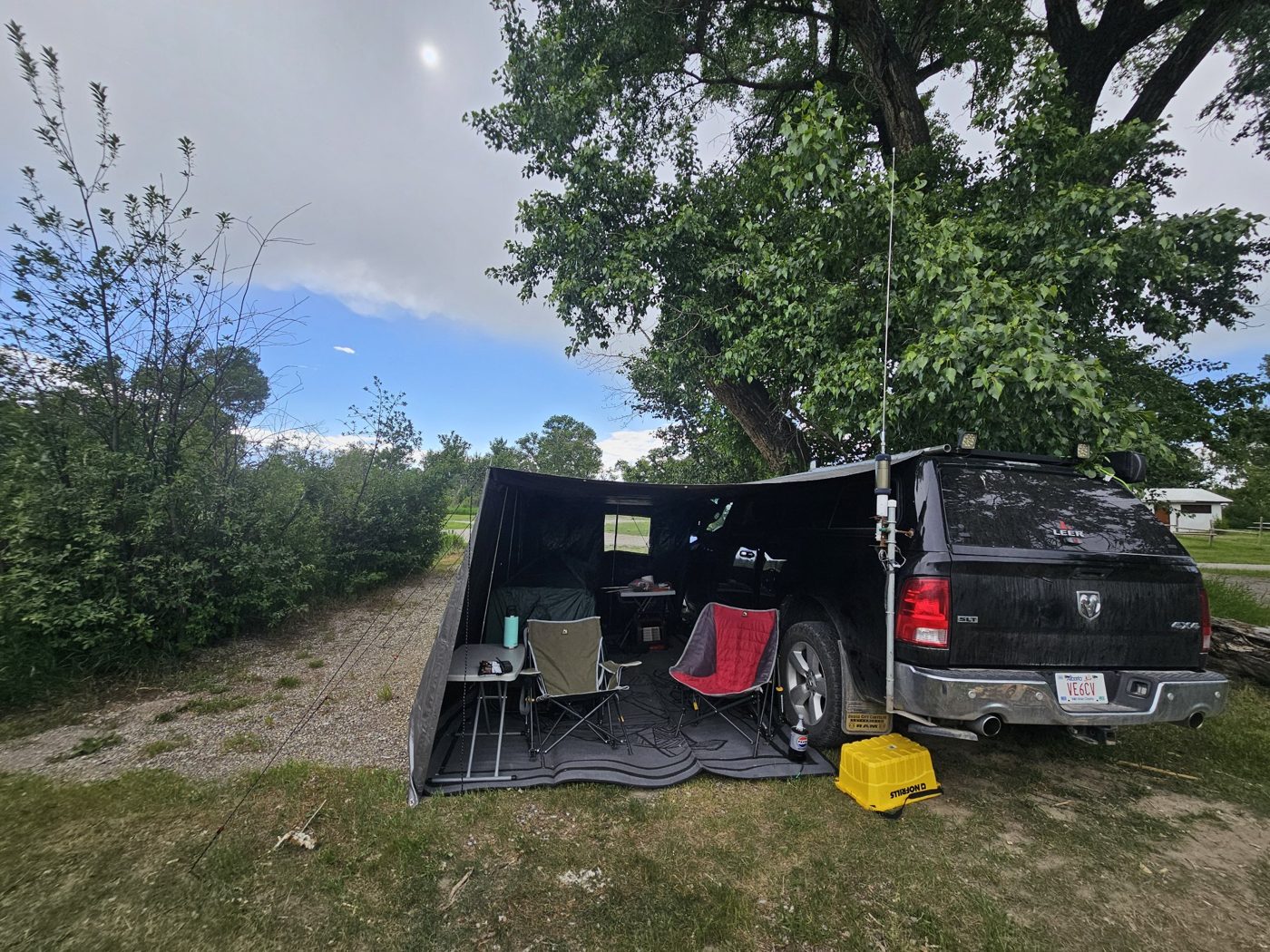
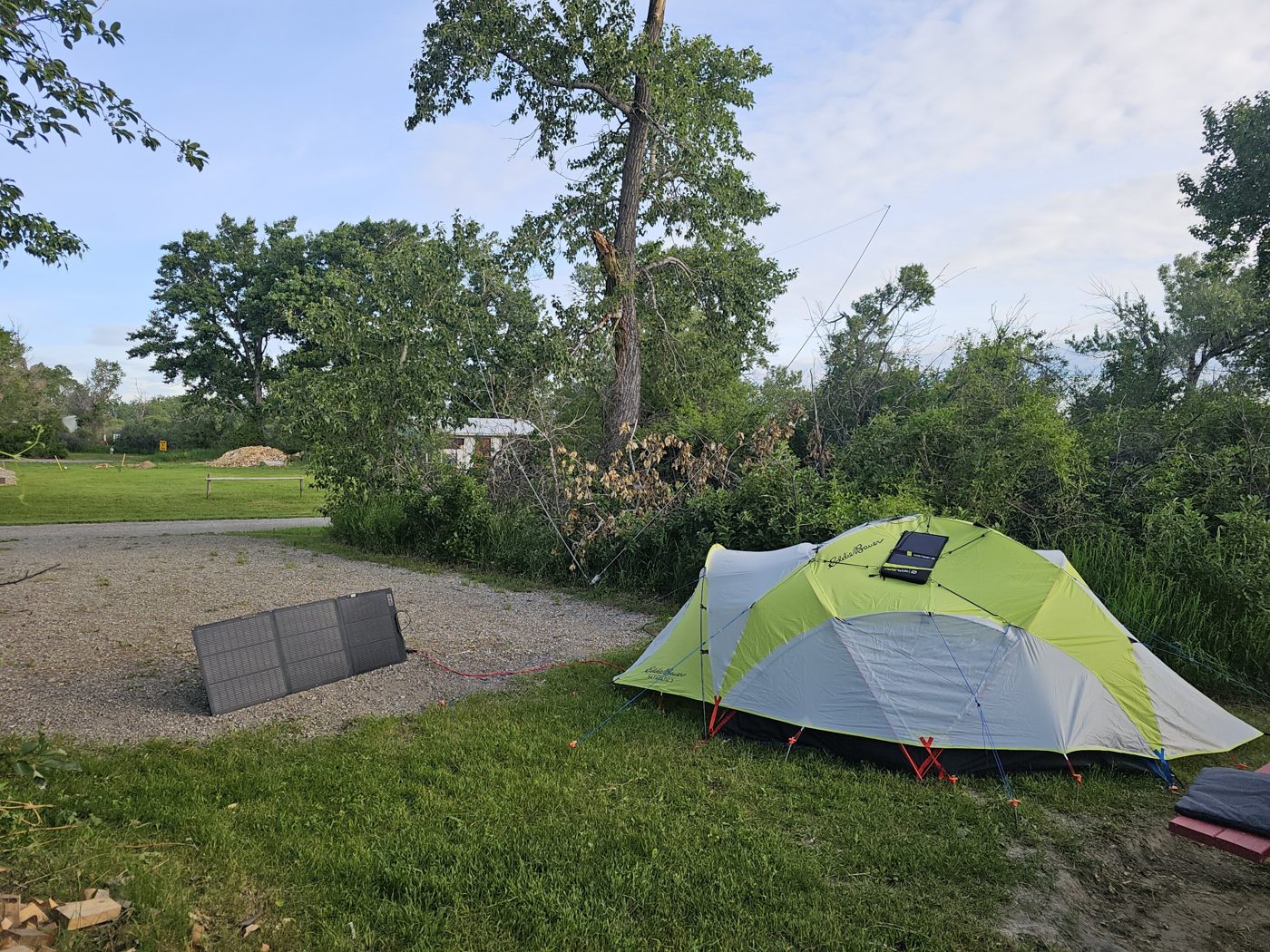
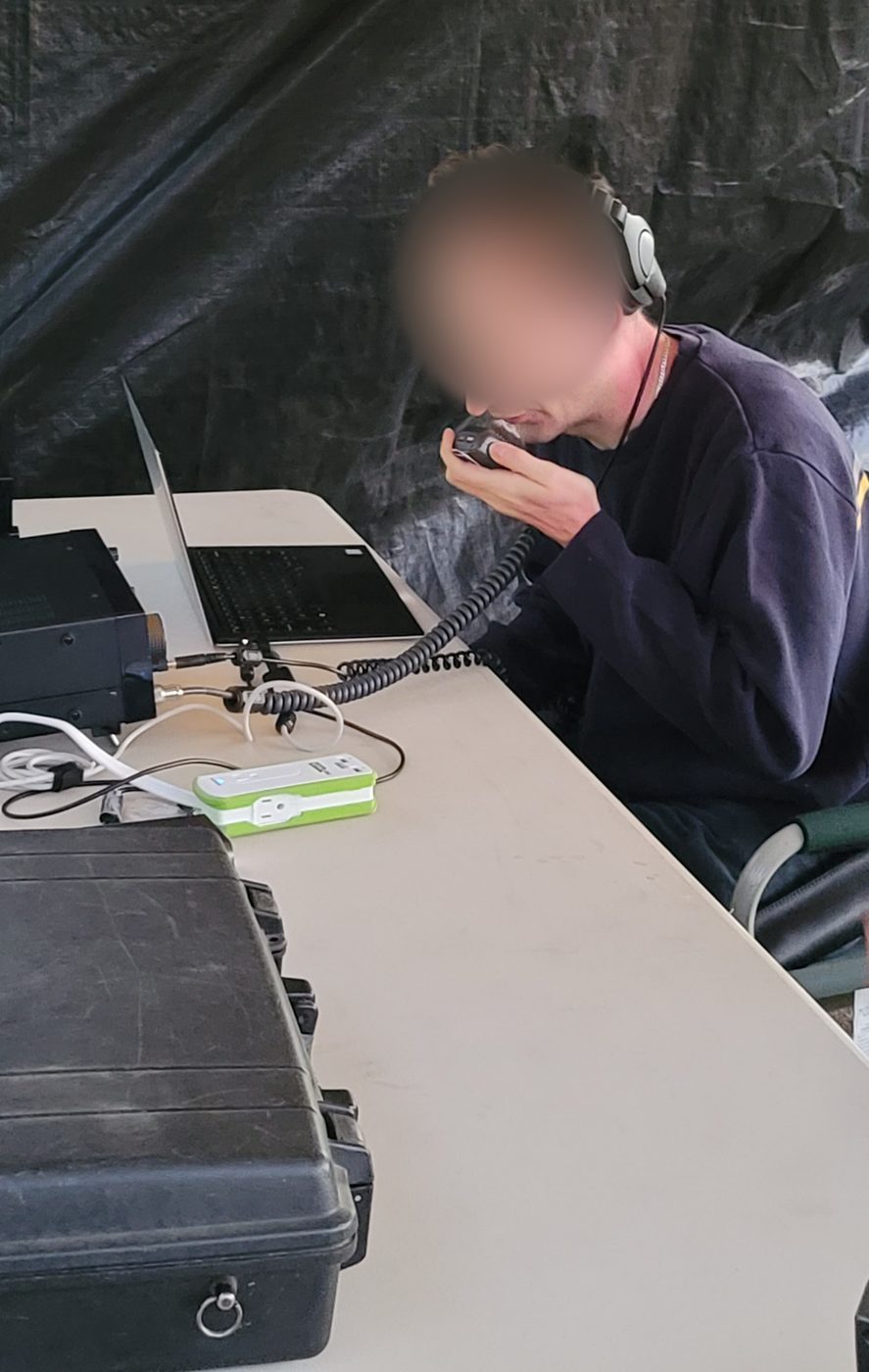
Operating from a truck or RV? Share your setup with about 2,500 operators in Gary’s Mobile HF Ham Radio Operators group on Facebook.
Where to go next
Last updated October 2026.