
A good field setup is simple, organized, and realistic. This checklist is meant to reduce preventable mistakes and help you think clearly about equipment, weather, power, timing, and safety before you commit too far.
Before you leave
- Confirm your operating goal
- Check weather and travel conditions
- Charge batteries and verify your power plan
- Make sure essential gear is packed and working
- Decide what your fallback plan is if conditions worsen
Core gear
- Radio
- Antenna
- Feedline
- Power source
- Connectors and adapters
- Basic tools
- Logging or note-taking method
Power check
- Is your battery fully charged?
- Do you know realistic runtime expectations?
- Do you have backup charging or spare power?
- Will cold weather affect your battery plan?
Weather and exposure check
- What are conditions doing now?
- Will they worsen while you are still out?
- Does your clothing match the real conditions?
- Will wind or precipitation affect the setup?
Setup location
- Is the site safe and practical?
- Do you have enough room for the antenna?
- Is terrain affecting the usefulness of the site?
- Will teardown still be reasonable if conditions change?
During setup
- Keep the setup simple
- Do not rush unnecessarily
- Check cables, supports, and power connections carefully
- Pay attention to wind and stability
- Do a quick receive or on-air check before settling in
Before a longer session
- Are you comfortable enough to operate well?
- Do you have enough daylight or return margin?
- Does the setup actually match your goal?
- Would a shorter or simpler session be wiser?
What it looks like in the field
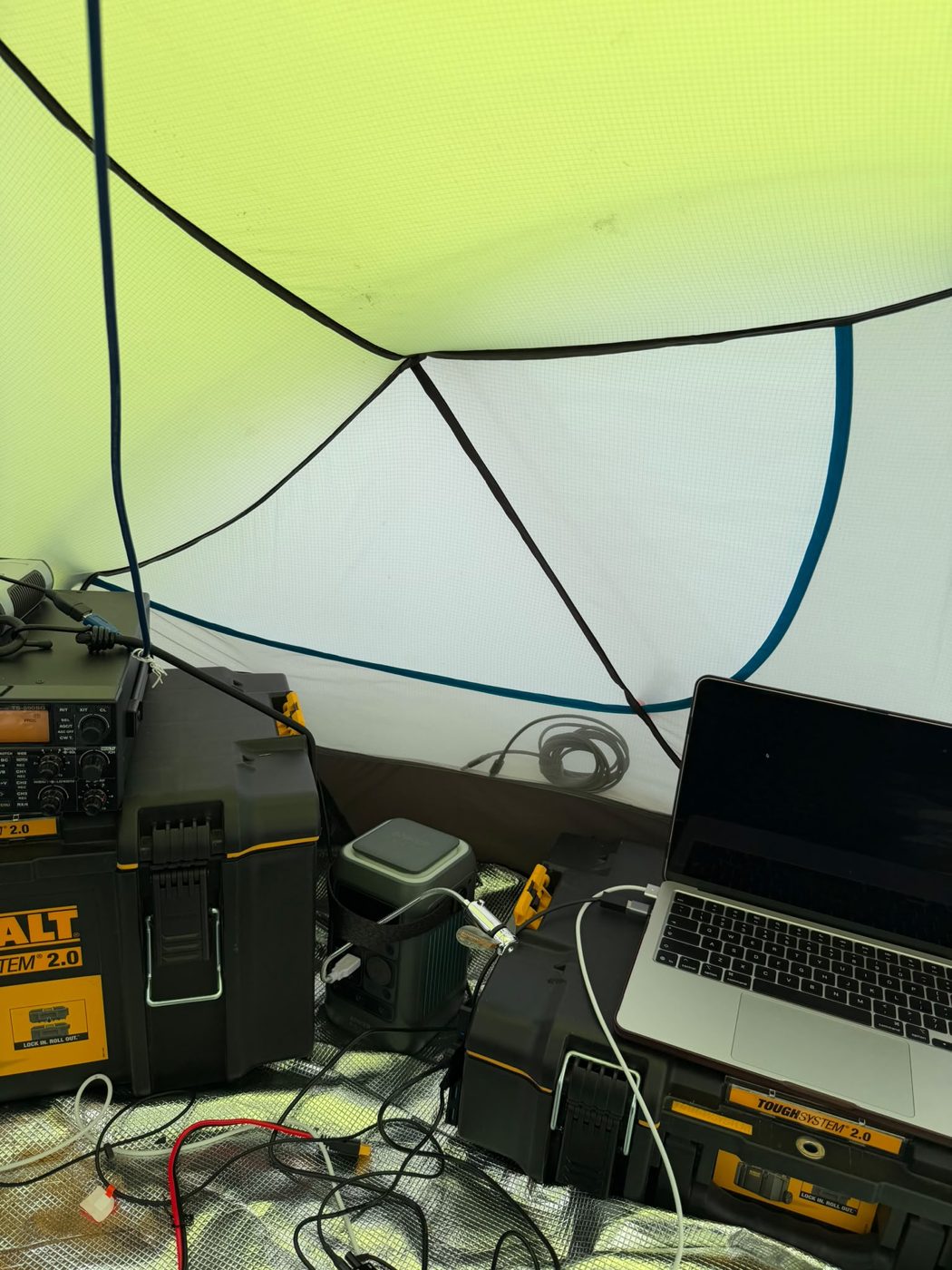
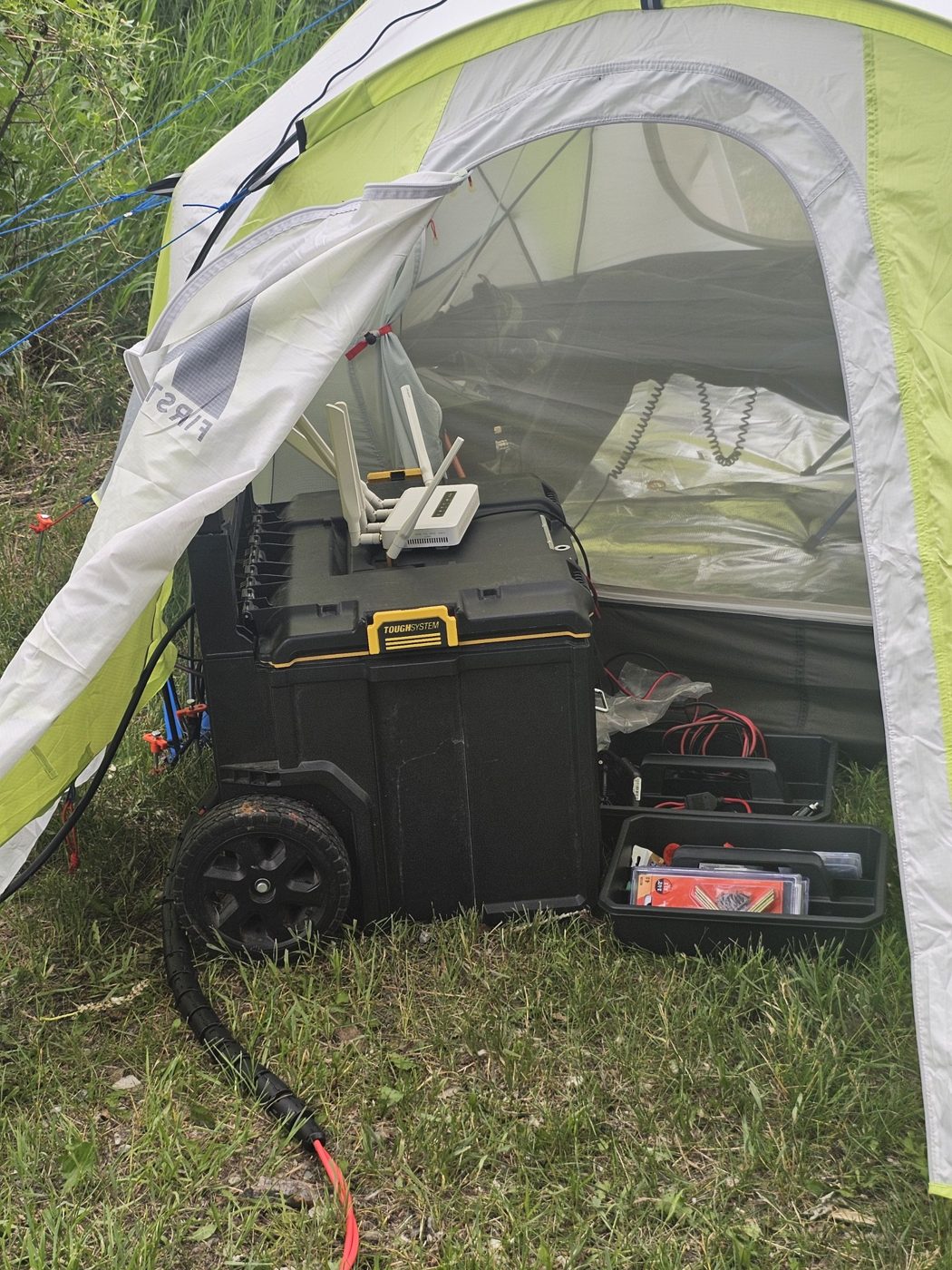
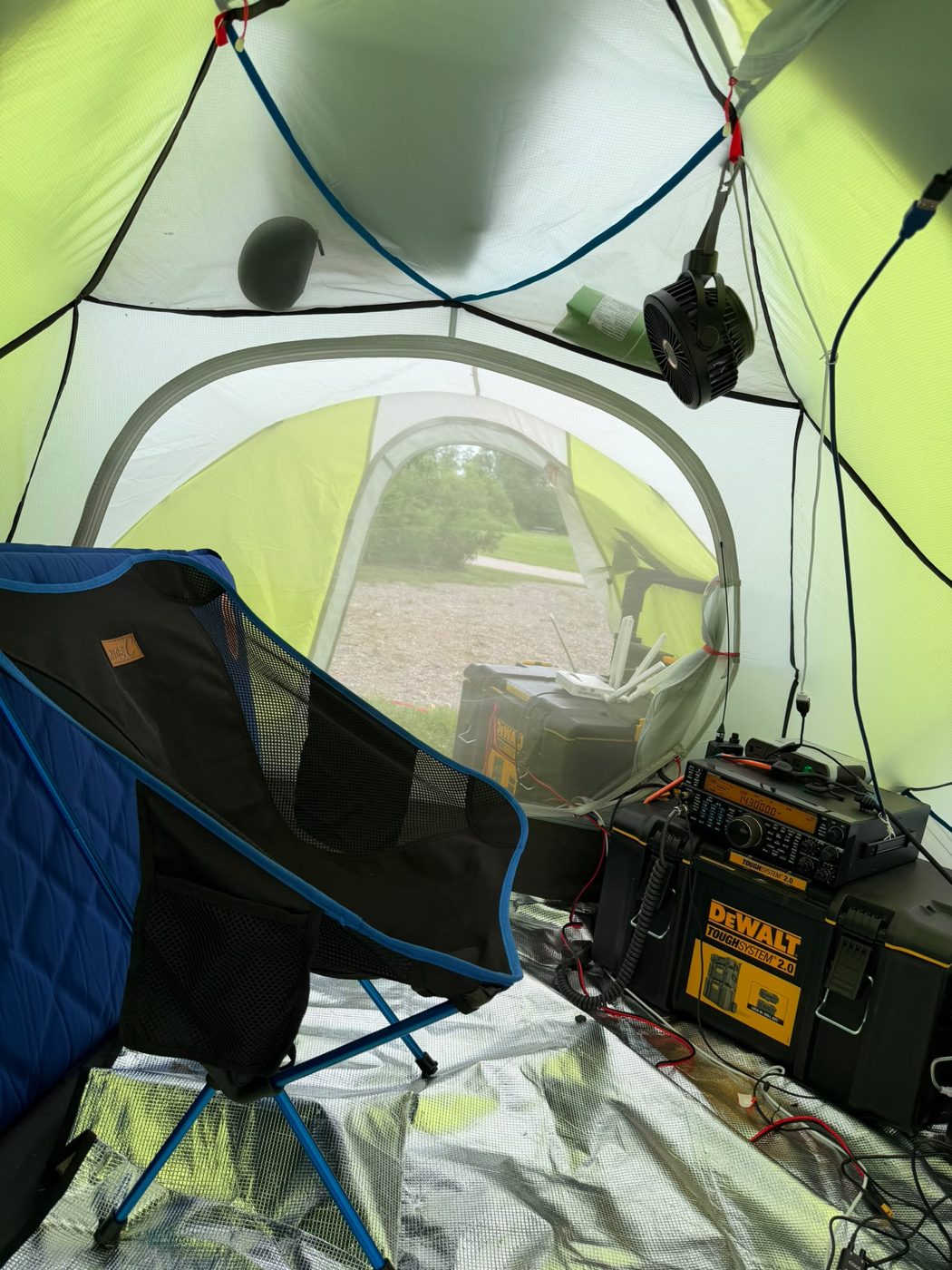
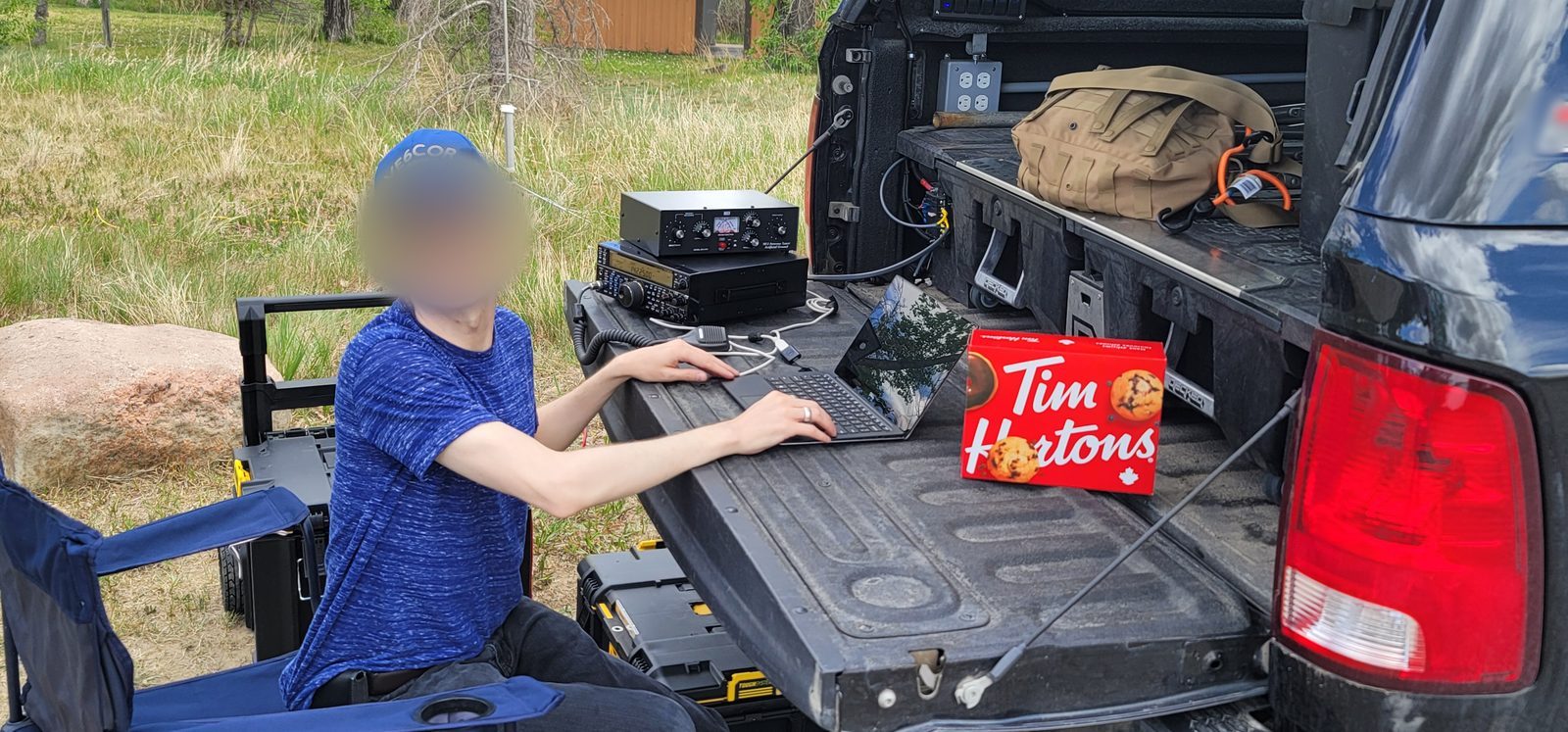
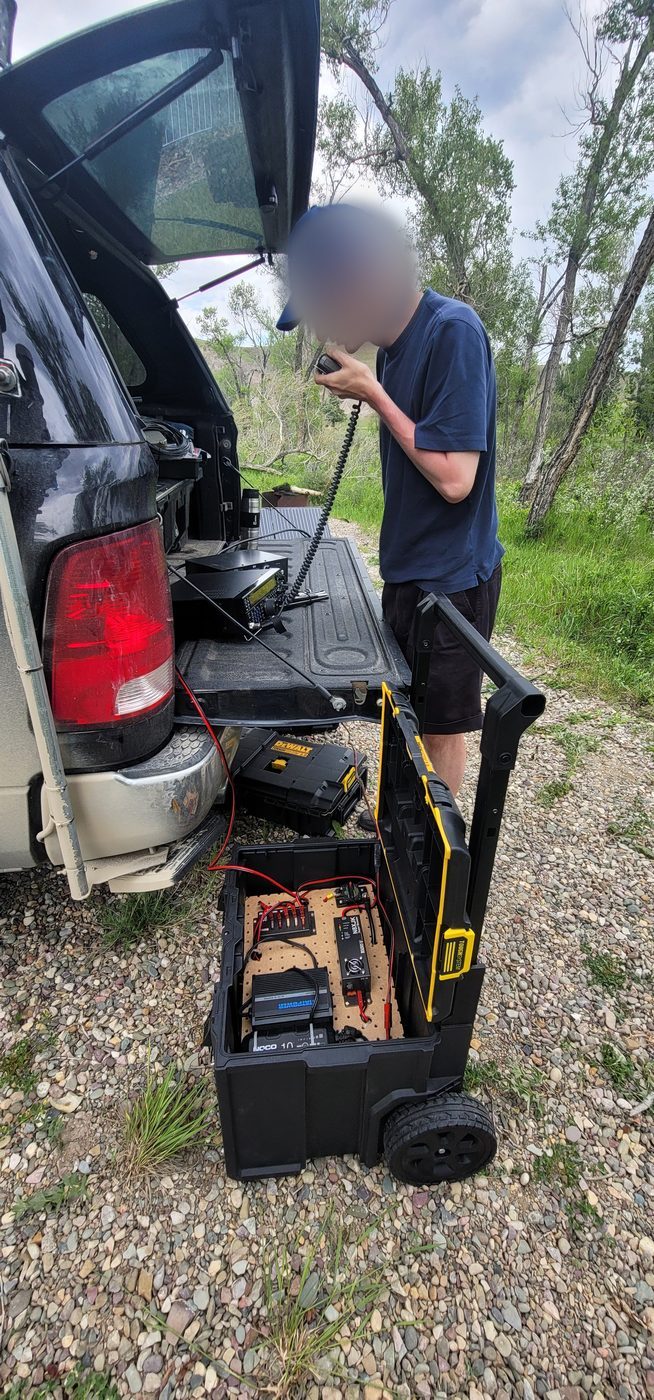
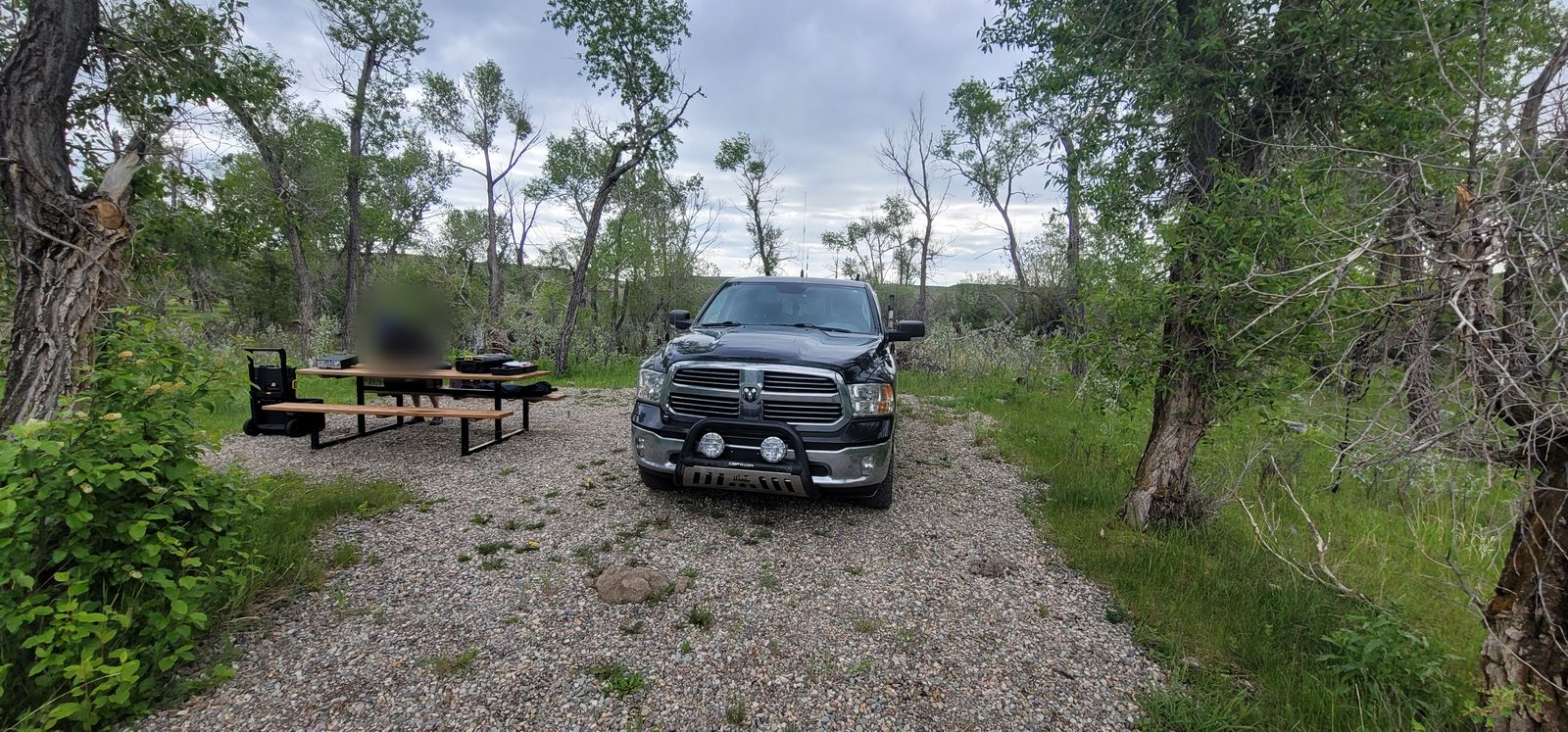
Photos from Field Day 2026, to show how the checklist comes together in real life.
Cory’s (VE6COR) station, set up
Related Pages
- Operating in the Real World
- Portable Power
- Weather and Radio Operations
- Cold Weather Readiness
- Mobile Radio Operation
- Contesting and Field Day
Was this page helpful?